Jul. 09, 2026
For years, we’ve been told that the secret to youthful skin lies in expensive creams, invasive procedures, or strict genetic luck. While topical products are essential, they only address the surface. The real game-changer in dermatology is light—specifically, the therapeutic power of red light.
Red light facial masks, once a tool reserved for high-end clinics, have now become the most sought-after gadget in the at-home skincare arsenal. But what exactly does this glowing mask do, and is it worth the investment?
The Science Behind the Glow
At its core, red light therapy (RLT) utilizes low-level wavelengths of red and near-infrared light to penetrate the skin. Unlike UV rays from the sun, this light is completely safe and non-thermal. When the light hits your skin, it is absorbed by the mitochondria—the powerhouse of your cells. This absorption stimulates the production of adenosine triphosphate (ATP), the energy currency of the cell. Simply put, you are charging your skin cells so they can work harder and faster.
The Benefits: More Than Just a Glow
The results of consistent use are well-documented and scientifically backed. First, it is a collagen powerhouse. Red light stimulates fibroblasts, the cells responsible for producing collagen and elastin. This means a visible reduction in fine lines and wrinkles, leading to plumper, firmer skin. Second, it acts as a powerful anti-inflammatory. If you suffer from acne, rosacea, or general redness, RLT can help calm flare-ups and reduce the size of active breakouts. Third, it accelerates healing. Whether you are recovering from a micro-needling session or simply have a blemish, RLT speeds up the skin’s repair process.
The At-Home Experience
Using a red light mask is perhaps one of the most relaxing parts of a modern skincare routine. Most masks are designed to be worn for just 10 minutes a day, three to five times a week. You simply cleanse your face, put on the mask, and let the light do the work while you listen to a podcast or meditate. Unlike chemical peels or retinoids, there is no downtime, no peeling, and no irritation.
Choosing Your Mask
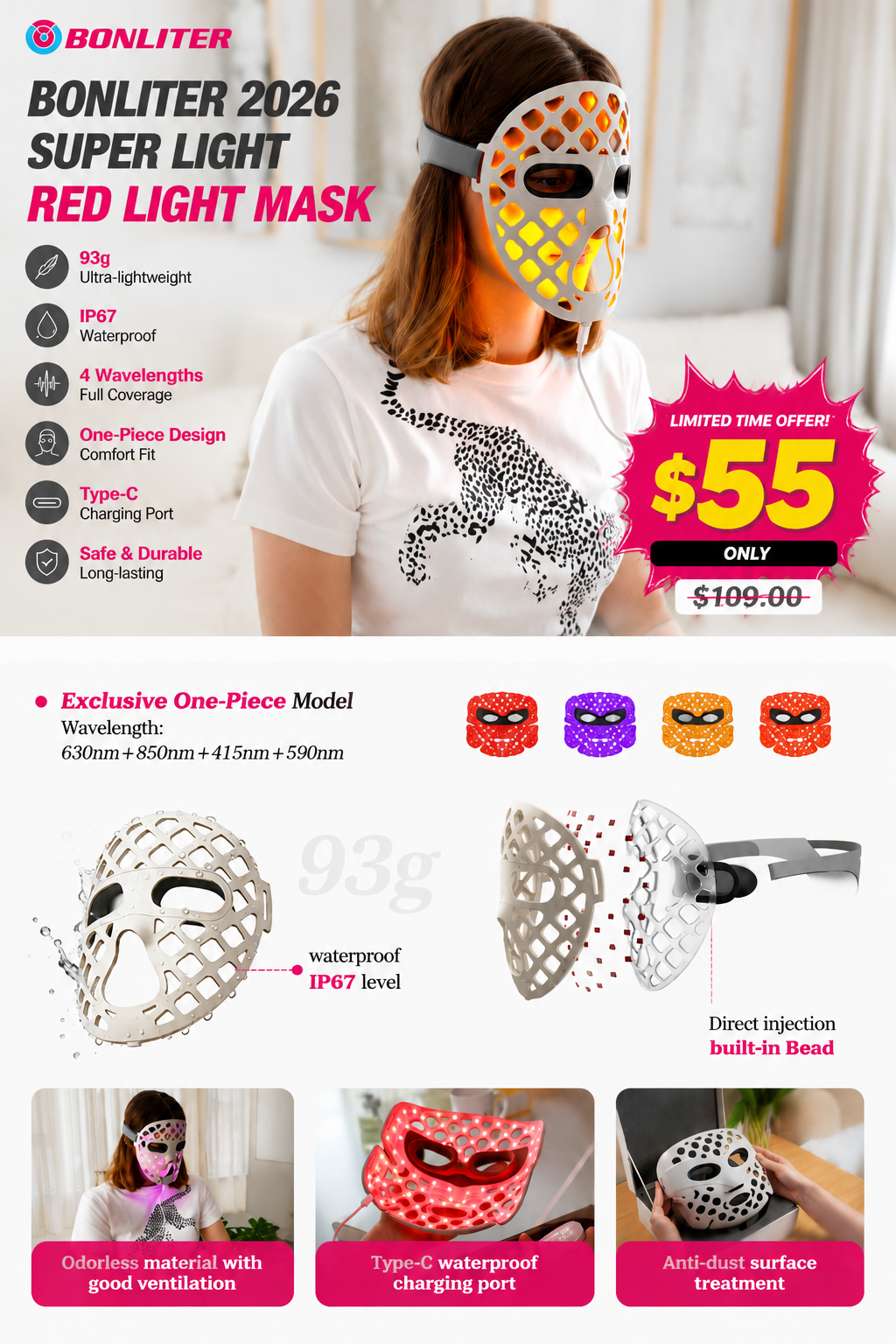
Not all masks are created equal. When shopping, look for a device that offers a wavelength between 450nm and 480nm for blue light, 620nm and 700nm for red light, and 800nm to 850nm for near-infrared, as these are the most clinically effective ranges. Ensure the mask has a sufficient power output (irradiance) to deliver results.
The Final Verdict
Red light therapy isn’t magic, but it is the closest thing to a "fountain of youth" we have in a non-invasive device. It addresses the root cause of aging and inflammation, rather than just covering up the symptoms. If you are ready to invest in your skin’s future, this is the high-tech glow that delivers.